Who Is Most at Risk for Skin Cancer?
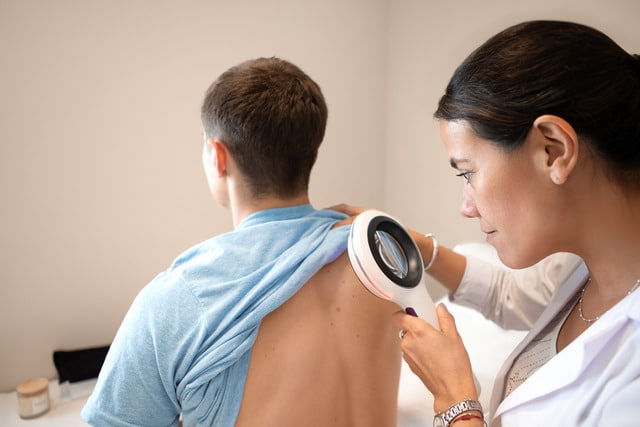
You might think skin cancer only affects those who spend hours in the sun, but the truth is more nuanced. Knowing common risk factors can help you take proactive steps to protect your skin and catch potential issues early.
At Dermatology Treatment and Research Center, Dr. Ross Radusky—a board-certified dermatologist—provides thorough skin cancer screenings alongside Shevonne Chude, MPAS, PA-C, who emphasizes prevention and patient education in every visit.
Common Risk Factors for Skin Cancer
Skin cancer can affect anyone, but some factors can significantly increase your chances of being diagnosed. These include:
- Fair skin, light hair, and light eyes
- A history of sunburns, especially blistering burns in childhood
- Excessive UV exposure from sunlight or tanning beds
- A large number of moles or unusual-looking moles
- Family or personal history of skin cancer
Who Should Be Extra Cautious?
Some individuals face a higher likelihood of developing skin cancer and should be especially vigilant about monitoring their skin:
- People over age 50, as the risk increases with age
- Those with weakened immune systems, including transplant recipients
- Outdoor workers or athletes with prolonged sun exposure
- Individuals with a history of precancerous lesions, such as actinic keratosis
Even if you don’t fall into these categories, it’s still possible to develop skin cancer, which is why routine skin checks matter.
Warning Signs You Shouldn’t Ignore
Knowing what to look for can make a major difference. Keep an eye out for:
- New growths or spots that change in size, shape, or color
- Sores that don’t heal
- Moles that itch, bleed, or appear irregular
Dermatologists often recommend following the ABCDE rule (Asymmetry, Border, Color, Diameter, Evolving) to assess moles.
How a Dermatologist Can Help
Regular skin exams are one of the most reliable ways to catch skin cancer early. During a typical exam, a dermatologist carefully checks your skin from head to toe, looking for any unusual moles, spots, or changes. They may use a dermatoscope to get a closer look at specific areas and determine whether further evaluation is needed.
Protect Your Skin Before Problems Start
Skin cancer is often preventable and highly treatable when caught early. By understanding your risk and paying attention to changes, you can take control of your well-being.
Call Dermatology Treatment and Research Center in Dallas, TX, at (972) 661-2729 to schedule an appointment and stay proactive about your skin health.