When Is Hair Shedding a Medical Concern?
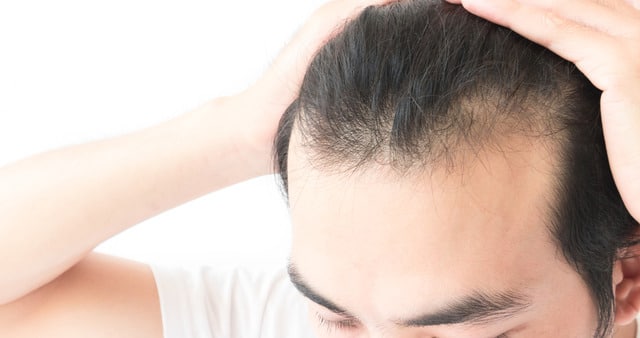
Seeing more strands in your brush or shower drain can be unsettling. While some hair shedding is completely normal, sudden or excessive loss can leave you wondering if something deeper is going on.
At Dermatology Treatment and Research Center in Dallas, patients benefit from the expertise of Dr. Ross Radusky, a board-certified dermatologist known for his evidence-based approach to hair and skin concerns. He and Shevonne Chude, MPAS, PA-C, help patients understand what’s typical and what’s not and provide personalized care.
How Much Hair Shedding Is Normal?
On average, people lose about 50 to 100 hairs per day. This is a regular part of the hair growth cycle, which includes three phases:
- Anagen (growth phase)
- Catagen (transition phase)
- Telogen (resting/shedding phase)
If your shedding stays within this range and your hair looks just as full as before, there’s usually no cause for concern.
Signs Hair Shedding May Be a Medical Issue
There are certain red flags that suggest your hair shedding could be linked to an underlying condition:
- Noticeable thinning or widening of your part
- Losing clumps of hair when washing or brushing
- Sudden shedding after illness, stress, or hormonal changes
- Patchy hair loss or bald spots
- Itching, redness, or scaling on the scalp
Common Causes of Excessive Hair Shedding
Hair loss doesn’t always have a single cause. Some of the most frequent contributors include:
- Stress or illness: Physical or emotional distress can push hair into the shedding phase
- Hormonal changes: Pregnancy, menopause, or thyroid imbalances can cause or worsen hair loss
- Nutrient deficiencies: Low iron, vitamin D, or protein intake may lead to increased shedding
- Medications: Certain prescriptions can trigger hair loss (including antidepressants, blood thinners, and vitamin A derivatives)
- Genetics: Pattern hair loss can begin gradually over time
When to See a Dermatologist
If your hair shedding lasts longer than a few months or worsens over time, it’s worth getting checked. Early evaluation can help prevent further loss and open the door to treatment options that support regrowth.
Take Control of Your Hair Health Today
Increased hair shedding can feel overwhelming, but you don’t have to figure it out on your own. Identifying the cause early can make a meaningful difference in your results. Call Dermatology Treatment and Research Center in Dallas, TX, at (972) 661-2729 to schedule an appointment and get answers tailored to your needs.